

An Ancient Method of Experiencing Energy
Reiki
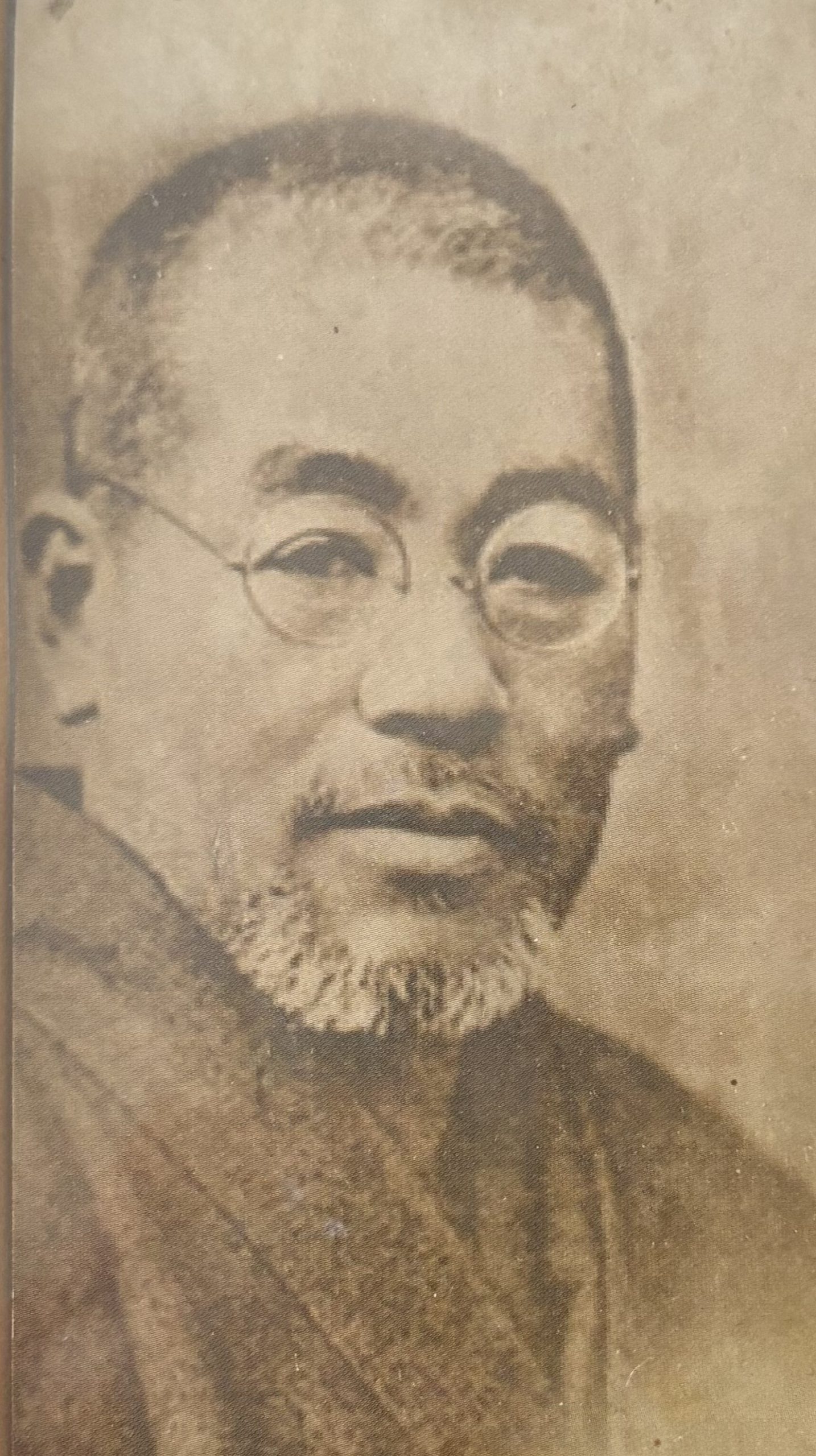
Reiki is a holistic method of energy work with origins believed to date back thousands of years. Its roots lie in both the ancient Indian Sanskrit tradition and Christian spiritual teachings. At the beginning of the 20th century, the Japanese teacher Mikao Usui (1865–1926) reawakened and refined this practice.
Since then, Reiki has been transmitted through initiations across various lineages and has spread rapidly worldwide. In Germany alone, it is estimated that more than one million people actively practice Reiki today. Over time, different styles and approaches have evolved. Even within the DGAM (German Society for Alternative Medicine), there are variations for example, in the number and type of degrees or in the sequence and execution of hand positions.
As part of a traditional Reiki lineage that traces directly through three Swiss masters back to Usui, Hayashi, Takata, and Furumoto, I uphold the original teachings in the seventh generation.
Yet, I firmly believe that the true essence of Reiki lies not only in the method or lineage, but in the personality and presence of the practitioner. These qualities ultimately shape a meaningful and effective Reiki experience.
Reiki according to the DGAM (German Society for Alternative Medicine)
In the understanding of the DGAM, Reiki is a method of mindful touch and energy work that fosters a sense of being supported and inner connectedness. It serves as a medium to support relaxation, vitality, and personal development, and is seen as part of a holistic health practice that addresses the human being as a whole, in a physical, mental and spiritual sense.
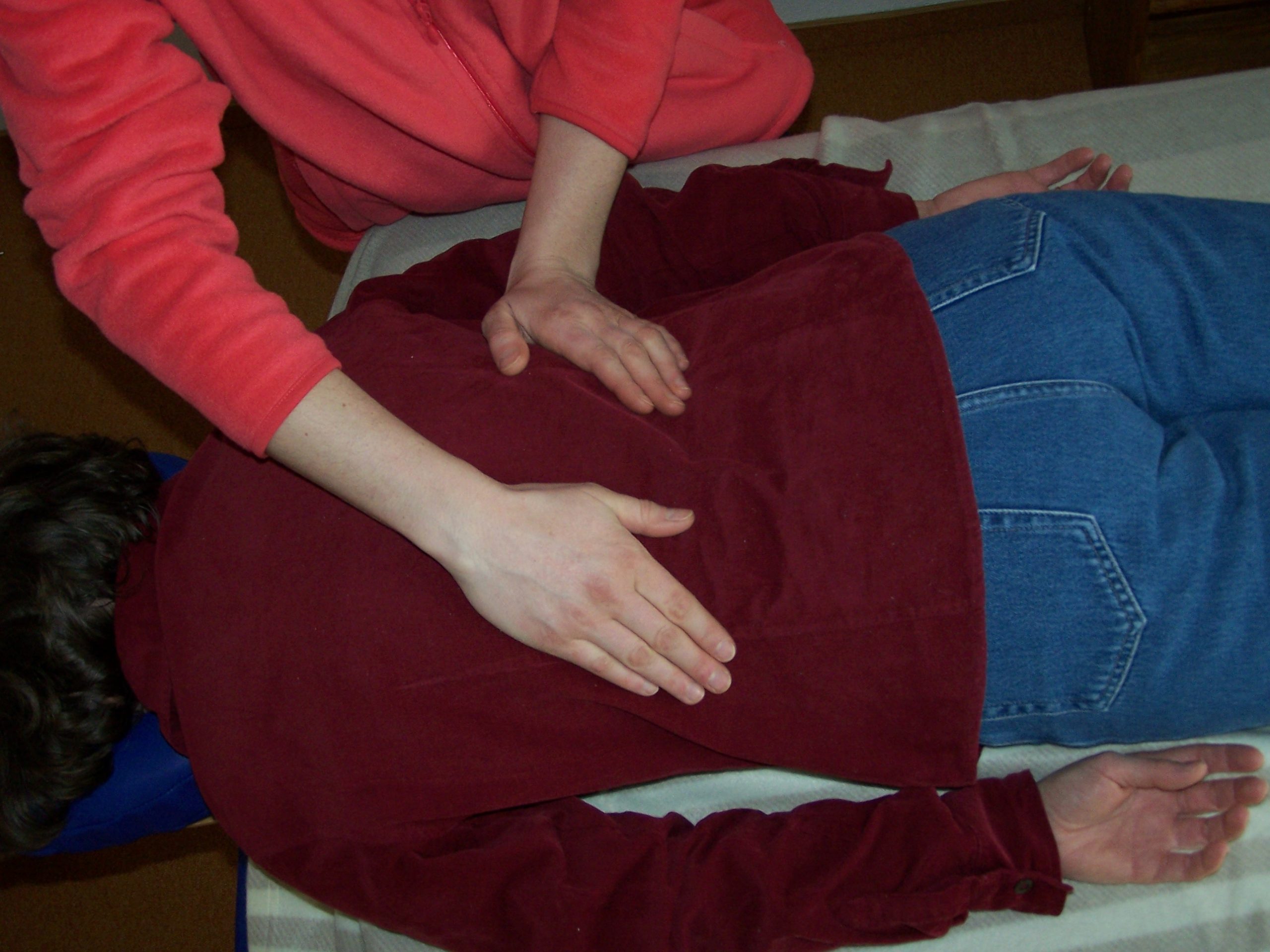
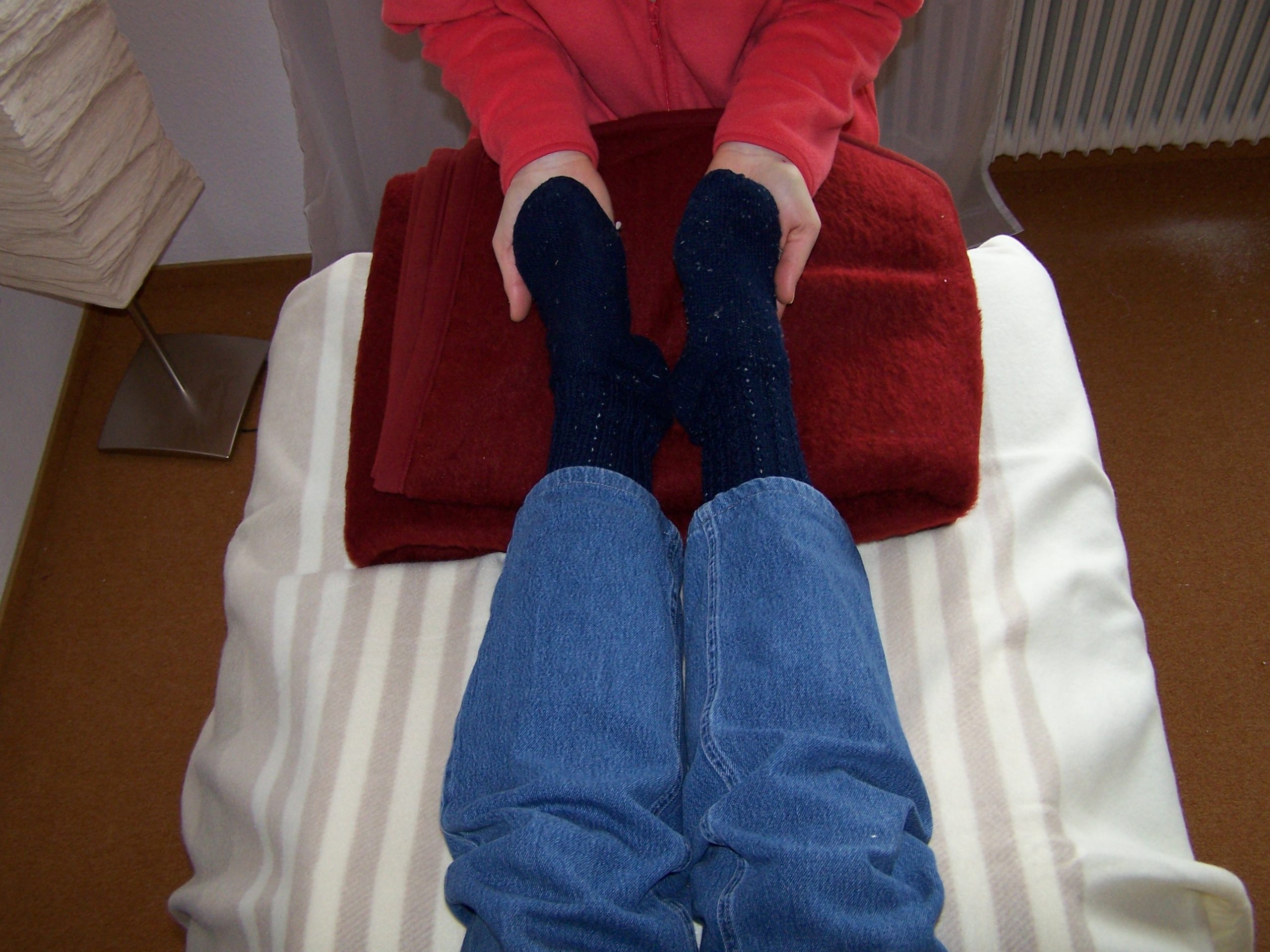
Different understandings of Reiki Practice
The essence of Reiki energy remains unchanged, no matter how it is used. Yet, just as light can be harnessed in different ways, Reiki too is expressed through a variety of practices and techniques
1. Relaxation Reiki
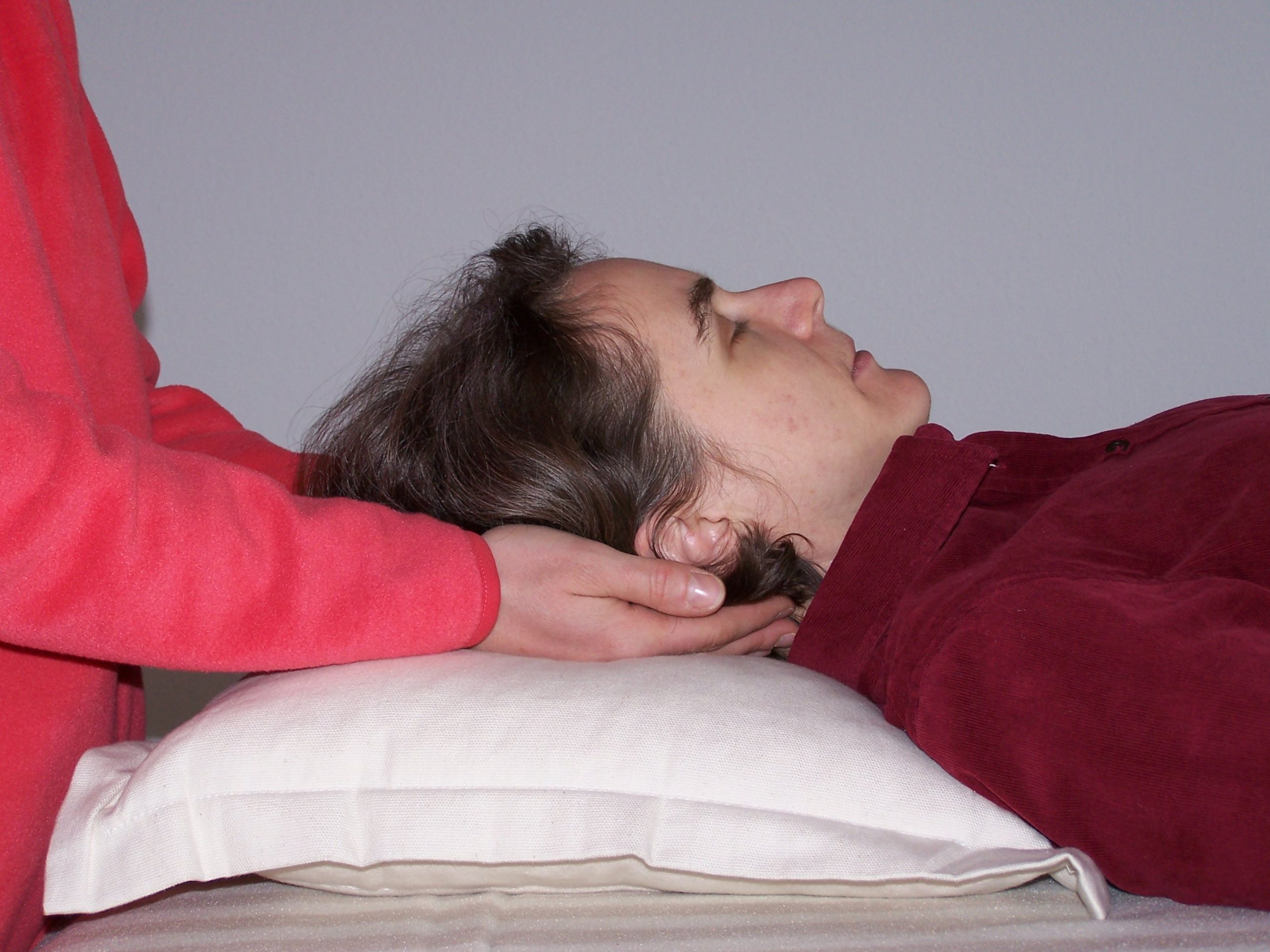
This popular form of Reiki is designed to promote deep relaxation and a sense of well-being. As the recipient, you remain fully clothed and lie comfortably on a treatment table, invited to simply let go—physically and mentally. The practitioner gently channels Reiki energy through your body, guiding you on an inner journey of balance and renewal. You may drift into sleep, dream, or consciously experience the subtle dynamics of energy within you.
This Reiki session is pure relaxation—a gentle inner training that nurtures your ability to feel, receive, and allow happiness.
2. Reiki for Self-Discovery
This approach focuses on individually chosen themes and uses Reiki as a pathway to self-discovery and personal growth. Through Reiki, your senses and inner resources are awakened, enabling you to live more consciously—with greater depth, love, and inner strength.
In this way, the Reiki experience becomes an integral part of your personal development journey. This form of practice is enriched by in-depth conversations and complemented by additional methods of self-exploration.
3. Supporting Self-Healing with Reiki
In the context of spiritual work, Reiki can be applied specifically to support the body’s natural energetic self-healing abilities. No diagnoses are made, nor are symptoms evaluated, as Reiki in this setting serves as a complementary approach to conventional medicine not a substitute for it.
Within naturopathy and psychotherapy, the healing potential of Reiki energy can unfold and provide valuable support as part of a holistic therapeutic concept.